No products in the cart.

The Evolution of DJ Equipment: From Vinyl to Digital Revolution
-
By Bounce Website Admin
- Posted on
- 0 comments
- General
The Evolution of DJ Equipment: From Vinyl to Digital Revolution
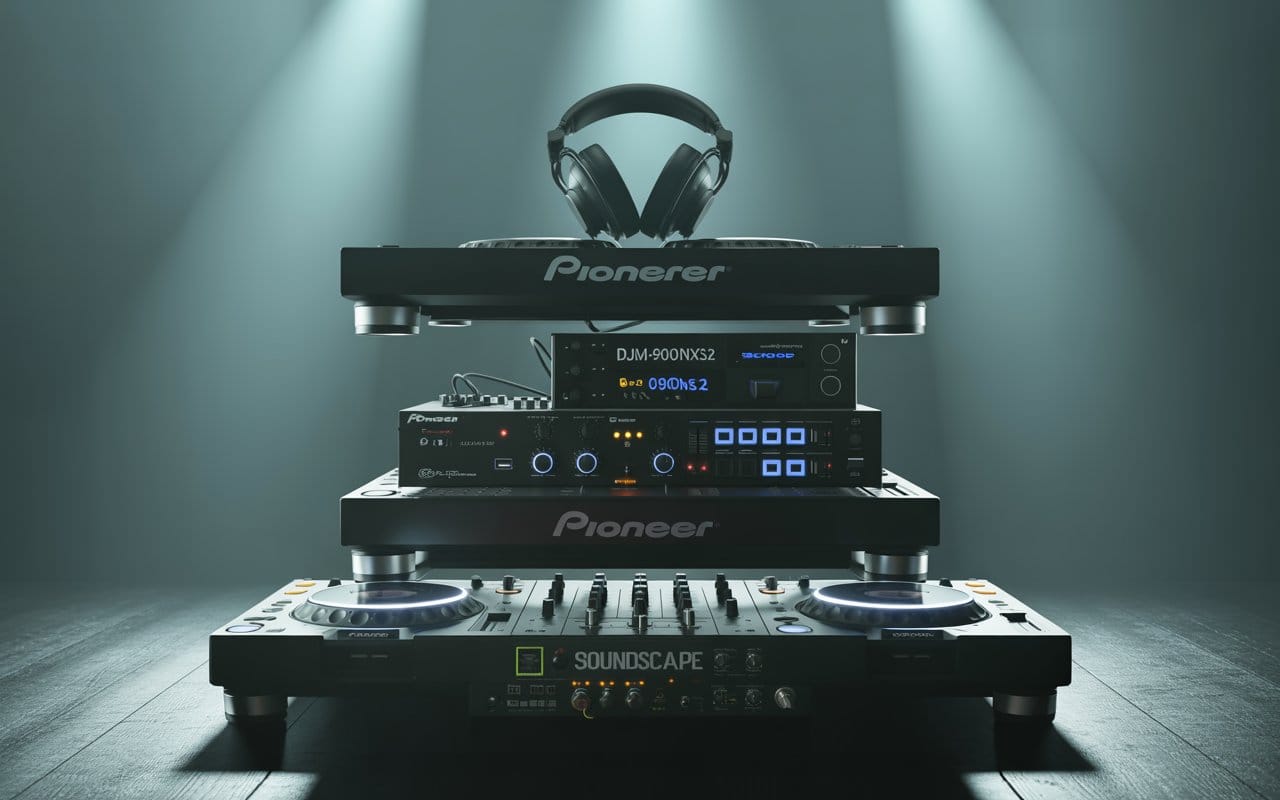
The art of DJing has undergone a remarkable transformation since its inception in the 1970s. What began with two turntables and a mixer in the Bronx has evolved into a sophisticated ecosystem of digital controllers, software, and cutting-edge technology. This journey through the evolution of DJ equipment reveals not just technological progress, but the story of how music culture itself has transformed over the decades.
The Birth of DJ Culture: 1970s Foundations
In the early 1970s, pioneering DJs like Kool Herc and Grandmaster Flash laid the groundwork for what would become a global phenomenon. Their equipment was simple yet revolutionary: two turntables, a basic mixer, and a powerful sound system. These early pioneers discovered that by using two copies of the same record, they could extend the instrumental breaks that dancers loved, creating the foundation for hip-hop culture.
The turntables of this era, primarily the Technics SL-1200 series introduced in 1972, became legendary. Originally designed for hi-fi enthusiasts, these direct-drive turntables offered the durability and precision that DJs needed. The heavy platter and strong motor provided the torque necessary for scratching and beat matching, techniques that would define DJ culture for decades to come.
Microphones also played a crucial role in early DJ culture. MCs would hype up the crowd over the instrumental breaks, creating the call-and-response dynamic that remains central to DJ performances today. The combination of quality turntables and reliable microphones formed the basic DJ setup that would dominate for the next two decades.
The Golden Age of Vinyl: 1980s Innovation
The 1980s witnessed significant advances in DJ technology. Mixers became more sophisticated, featuring improved crossfaders that allowed for smoother transitions and more complex scratching techniques. Companies like Rane, Vestax, and Pioneer entered the market, offering DJs more options for their setups. The introduction of effects units and samplers expanded creative possibilities, allowing DJs to add reverb, delay, and other effects to their mixes.
This decade also saw the rise of the mobile DJ, requiring more portable and versatile equipment. Lighting systems became an integral part of the DJ setup, transforming simple music playback into full sensory experiences. Early intelligent lighting could respond to the music's rhythm, creating synchronized visual displays that enhanced the atmosphere of clubs and events.
Professional headphones designed specifically for DJs emerged during this period. Unlike consumer headphones, DJ headphones needed to deliver clear sound reproduction in loud environments, with swiveling ear cups for single-ear monitoring and robust construction to withstand constant use. Models like the Sony MDR-V700 and Technics RP-DH1200 became industry standards, offering the isolation and frequency response that DJs required for precise beat matching.
Digital Dawn: 1990s Transformation
The 1990s marked the beginning of the digital revolution in DJ equipment. The introduction of the compact disc created new possibilities and challenges for DJs. Pioneer's CDJ-500, released in 1994, was among the first CD players designed specifically for DJs, featuring a jog wheel that attempted to replicate the feel of vinyl manipulation. While many DJs initially resisted the move away from vinyl, the convenience and durability of CDs gradually won converts.
This era also saw significant improvements in DJ gear portability and functionality. Mixers incorporated more channels, better EQ controls, and built-in effects processors. The crossfader, once a simple sliding switch, evolved into a precision instrument with adjustable curve controls and replaceable components designed for different mixing styles.
The rise of electronic dance music (EDM) in the 1990s drove demand for more sophisticated equipment. DJs needed gear that could handle the complex layering and effects processing that characterized genres like house, techno, and drum and bass. Four-channel mixers became standard in many clubs, allowing DJs to blend multiple sources and create more dynamic performances.
The Software Revolution: 2000s Digital Integration
The 2000s brought the most dramatic changes to DJ equipment since the invention of the turntable. Software like Final Scratch (2001) and Serato Scratch Live (2004) allowed DJs to control digital music files using traditional turntables or CD players through special timecode vinyl or CDs. This technology, known as DVS (Digital Vinyl System), gave DJs the best of both worlds: the tactile control of traditional equipment with the convenience of digital music libraries.
Native Instruments' Traktor and Ableton Live pushed the boundaries further, offering advanced features like automatic beat matching, key detection, and sophisticated effects processing. These software platforms transformed laptops into powerful musical instruments, capable of performances that would have required rooms full of hardware just a decade earlier.
The introduction of all-in-one DJ controllers revolutionized the industry. Companies like Pioneer, Denon, and Numark created units that combined mixing controls, jog wheels, and audio interfaces into single devices that connected directly to computers. These controllers made DJing more accessible than ever, allowing beginners to start with professional-grade features at fraction of the cost of traditional setups.
Modern Era: 2010s Convergence and Innovation
The 2010s saw the convergence of various DJ technologies into sophisticated, integrated systems. Standalone DJ systems like the Pioneer CDJ-2000NXS2 incorporated features from both the vinyl and digital worlds, offering touchscreens, WiFi connectivity, and the ability to play music from USB drives, SD cards, or laptop connections. These units could analyze tracks in real-time, displaying waveforms, beat grids, and key information that made harmonic mixing more accessible.
Controller technology also matured significantly. Units like the Pioneer DDJ-SZ and Native Instruments Kontrol S4 offered professional features in compact formats. These controllers included performance pads for triggering samples and cues, touch-sensitive jog wheels that replicated vinyl feel, and comprehensive effects sections that rivaled standalone units.
The rise of streaming services began to influence DJ equipment design. Some manufacturers started incorporating WiFi and ethernet connectivity, allowing DJs to access vast music libraries without local storage. This shift required robust microphone systems for making announcements and coordinating with venue staff, as technical setups became more complex.
The Cutting Edge: 2020s and Beyond
Today's DJ equipment represents the culmination of five decades of innovation. Modern DJ setups can range from compact all-in-one controllers suitable for bedroom practice to elaborate multi-deck configurations for festival main stages. Artificial intelligence has begun to play a role, with some software offering intelligent track suggestions based on harmonic compatibility and energy levels.
Wireless technology has liberated DJs from cable constraints. Bluetooth-enabled headphones allow for freedom of movement, while wireless DMX controllers enable synchronized lighting control from the DJ booth. Some DJs now perform entire sets using just an iPad or smartphone, leveraging powerful apps that would have seemed like science fiction just a few years ago.
The COVID-19 pandemic accelerated the adoption of streaming technology for DJs. Live streaming setups became essential, requiring DJs to consider video production alongside audio. This shift has created demand for integrated solutions that handle both audio mixing and video switching, further expanding the definition of DJ gear.
Choosing Equipment in the Modern Era
For today's aspiring DJs, the abundance of options can be overwhelming. The key is understanding that different equipment serves different purposes and styles. A hip-hop turntablist will have very different needs from an EDM producer-DJ or a mobile wedding DJ.
Beginners often start with entry-level controllers that provide comprehensive features without breaking the bank. These units typically include built-in audio interfaces, making them true all-in-one solutions. As skills develop, DJs might add specialized equipment like performance mixers, effects units, or additional controllers for specific functions.
Professional DJs often maintain multiple setups for different scenarios. A club setup might center around industry-standard CDJs and a four-channel mixer, while a mobile setup might use a controller for portability. Many DJs also maintain analog setups with turntables for special events or personal enjoyment, appreciating the tactile experience and sound quality of vinyl.
The Importance of Supporting Equipment
While turntables, mixers, and controllers get most of the attention, supporting equipment plays a crucial role in professional DJ setups. Quality microphones remain essential for MCing, making announcements, and coordinating events. Modern wireless microphone systems offer reliability and freedom of movement that wired systems cannot match.
Lighting systems have evolved from simple disco balls to sophisticated LED arrays and moving head fixtures. Modern DJ lighting can be synchronized to the music through DMX control or sound-activated programs, creating immersive environments that enhance the musical experience. Many DJs now consider lighting design an integral part of their performance, not just an afterthought.
Professional headphones continue to be crucial tools. Modern DJ headphones combine the durability and sound quality of their predecessors with contemporary features like wireless connectivity and active noise cancellation. The ability to clearly hear the cue mix in loud environments remains paramount, making quality headphones a worthwhile investment for serious DJs.
The Future of DJ Equipment
As we look toward the future, several trends are shaping the evolution of DJ equipment. Artificial intelligence and machine learning are beginning to offer features like automatic mixing and intelligent music selection. Virtual and augmented reality technologies promise to create new performance possibilities, allowing DJs to manipulate virtual decks in three-dimensional space or perform for audiences in virtual venues.
Sustainability is becoming a consideration in equipment design, with manufacturers exploring eco-friendly materials and energy-efficient components. Modular designs that allow for upgrades rather than replacement align with growing environmental consciousness in the industry.
The democratization of DJ technology continues, with powerful software and affordable hardware making it possible for anyone to start DJing. At the same time, professional equipment continues to push boundaries, offering features and quality that justify premium prices for serious artists.
The Beat Goes On
The evolution of DJ equipment from simple turntables to sophisticated digital ecosystems reflects the broader transformation of music culture. Each technological advance has opened new creative possibilities while honoring the fundamental elements that make DJing an art form: selection, timing, and the ability to move a crowd.
Whether you're drawn to the warm sound and tactile experience of vinyl, the precision and convenience of digital systems, or a hybrid approach that combines both, today's DJ equipment market offers tools for every style and budget. The key is finding the gear that inspires your creativity and helps you connect with your audience.
As technology continues to evolve, one thing remains constant: the DJ's role as curator, performer, and cultural conduit. The equipment may change, but the mission remains the same: to create moments of musical magic that bring people together on the dancefloor. From the musical instruments that started it all to the cutting-edge DJ gear of today, the journey of DJ equipment evolution is far from over. The next chapter is being written by today's DJs, armed with tools their predecessors could only dream of, ready to push the boundaries of what's possible in live music performance.